
Welcome to Balabustë
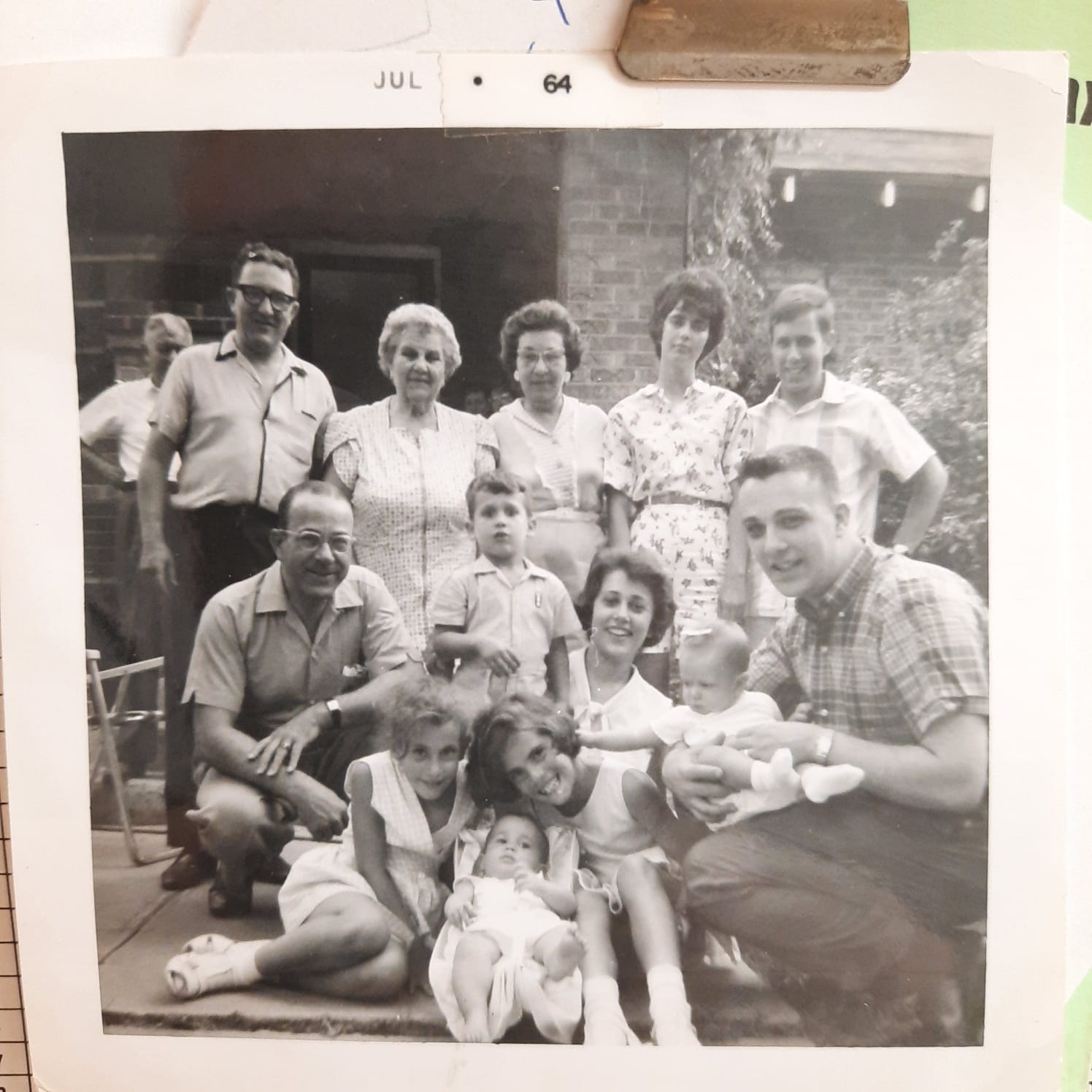
I never met her, but I grew up with her stories. Born in Poland, she made her way to Colorado in the early 1900s. She had three children, though her eldest daughter Menucha died tragically young. Her husband Shlomo Lev died of the Spanish Flu not long after. Despite her hardships she did everything she could to build a strong family steeped in Jewish tradition. She was instrumental in establishing the Ostrover synagogue on Denver’s West Side. She would hold large family reunions in the park, using her linen and fine china to showcase her multi-course spreads. My mother and aunts were always greeted with fresh biscotti when they visited. Her modest home exuded a warmth that was traditional, Old World, and decidedly Jewish.
I inherited three things from my great-great grandmother: her famous cherrywood rolling pin, her passion for Jewish nurturing, and her name: Bubu.
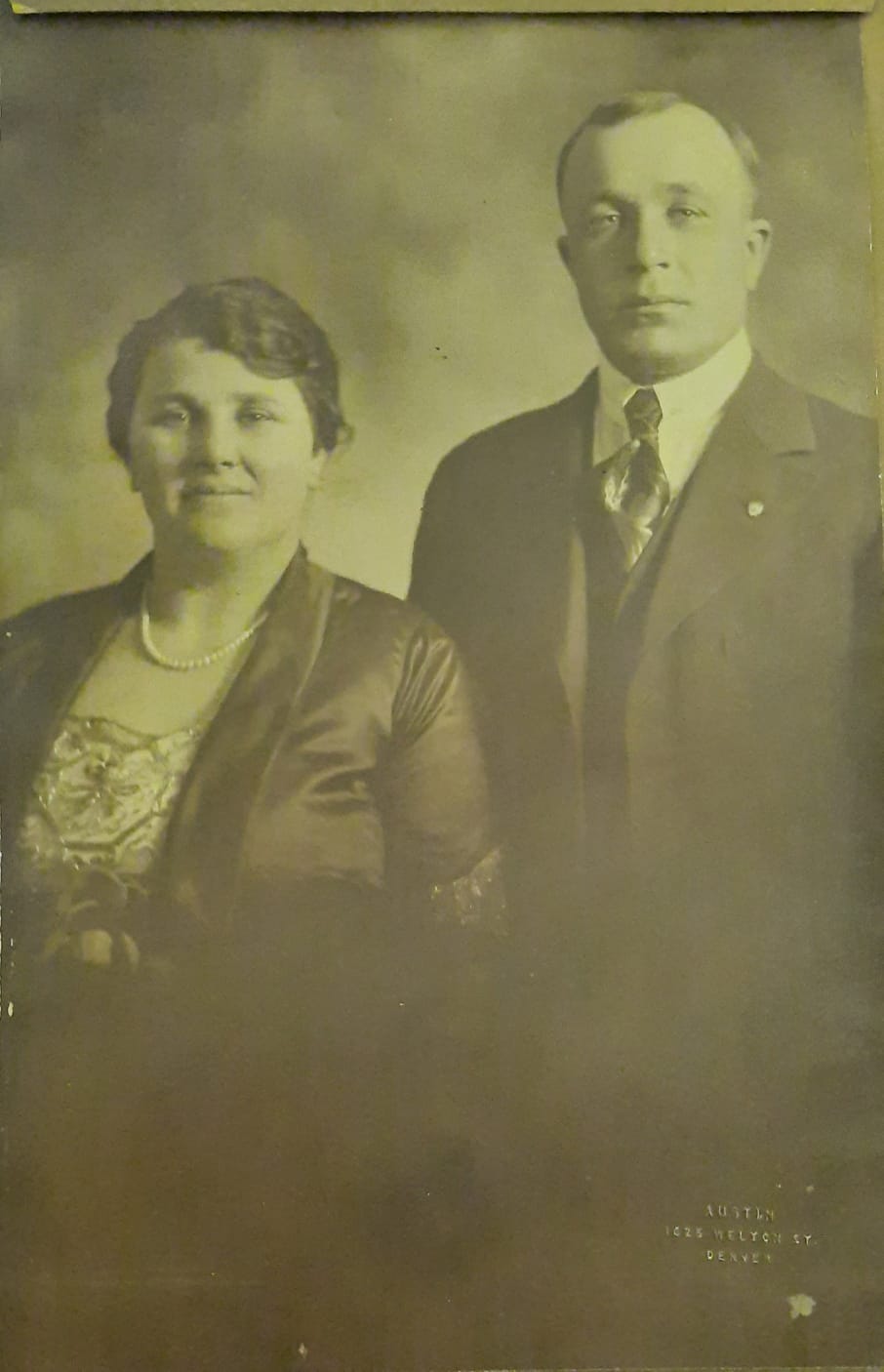
When I think of a Balabuste, Yiddish for master of the house, I think of Bubu. With fortitude and strength she navigated the often-turbulent waters of her life, relying on the strong foundations of Judaism to create the ark that enabled her to survive and thrive. She had vision and foresight, and while she began primarily as a mother, she went on to build a community around her that would ultimately support the Jewish generations that followed.
As Jewish women we are descendants of Balabustes, and I am certain that all of you have one (or several) in your own families. These women knew how to run a household, a family, and themselves. They were tireless in their efforts to provide for their families and build a community rich in meaning and purpose. Their blood flows through our veins and their quiet determination can anchor us in this often confusing postmodern age.
Women today are often compelled to “have it all”: a big-league career, perfect children, an effortless marriage, an immaculate home, stylish outfits, a slim physique, and perfect mental health. Just making this list makes me kind of crazy! These expectations create an unrealistic paradigm that sets us up for disappointment and angst. When looking back at our Balabuste grandmothers, perhaps what distinguishes them from us is that their focus was not blurred by self-imposed expectations. They got the jobs done efficiently without the sturm und drang that seems to haunt most of us as we endlessly take stock and find ourselves still not “living our best lives.” As we stumble confusedly through our image-driven zeitgeist, the Balabustes have bequeathed a blueprint for domestic and personal fulfillment that has never been more timely for us to tap into.
The Balabuste fills her home with the essence of her mind and creates a space that is empowering to others. She fills bellies and nourishes souls. She creates structure and inculcates productivity. She never rests, not because she is burdened by menial labor, but because there is always more she wants to accomplish.
Judaism offers many beautiful ways of connecting to this powerful, feminine essence. The laws which are specifically designed for women, challah (making and blessing the traditional bread for Shabbat or the Sabbath), nerot (lighting the Shabbat candles), and niddah (observing the ritual laws of family purity within marriage) touch upon the core ways in which a Balabuste can tap into her deepest, most divine abilities and they all revolve around the inner sanctum, the home.
Beyond the brick-and-mortar home, the Balabuste is the master of her essential home – her mind, her body, and her spirit. A Balabuste is a master of self. There are many ways that people work towards achieving self-mastery: they read self help books, they meditate, they see a therapist. The Balabuste takes a holistic approach through the myriad Jewish tools at her disposal: she actively exercises her bechira (free will) to squarely face her yetzer hara (negative inclination) and, by confronting her limitations, she uncovers areas for growth and action.
Just as Shabbat looks, tastes, and smells differently in each Jewish home, no two Balabustes are alike. One might prepare sweet gefilte fish, while her fellow Balabuste cooks spicy Moroccan. Another might cover her hair with a flowing sheitel (wig) or perhaps a stylish tichel (head scarf). No matter how each Balabuste chooses to express her connection, she is very much connected. The unique and evolving tapestry of each Balabuste’s life is woven with the same timeless Jewish threads.
We are part of a long, unbroken chain of Jewish women who found both solace and empowerment in Judaism and the day-to-day life laid out in our tradition. We have inherited the means to empower ourselves to find strength in dreaming, creating, and sustaining nourishing homes for ourselves and those whom we love.
This is a space dedicated to exploring the many different ways we can develop and hone the skills of our foremothers, bringing their vision, fortitude, and dedication to Judaism into our everyday lives. We are building a community to explore our challenges and empower each other with our self discovery. A space to share our ongoing and joyful path to Balabustehood. A space where Judaism is explored, and femininity embraced.
Welcome to Balabuste.
Bubu
Editor-in-Chief
Balabustë
What a refreshing, inspiring, and yet deeply rooted and traditional perspective! Can’t wait to read and to learn more from Balabustë!!
I immediately felt something comforting in reading your story. As a former bais yaakov of Denver grad and a friend of Debra Kiez when she and her family lived in Winnipeg, that on its own makes us practically family. Kol hakavod! I’ll be following!
Aviva Cohen
Winnipeg